SETAREH London 2 Bourdon Street, Mayfair, London W1K 3PA
“I prefer winter and fall, when you feel the bone structure of the landscape — the loneliness of it; the dead feeling of winter. Something waits beneath it; the whole story doesn‘t show.” — Andrew Wyeth
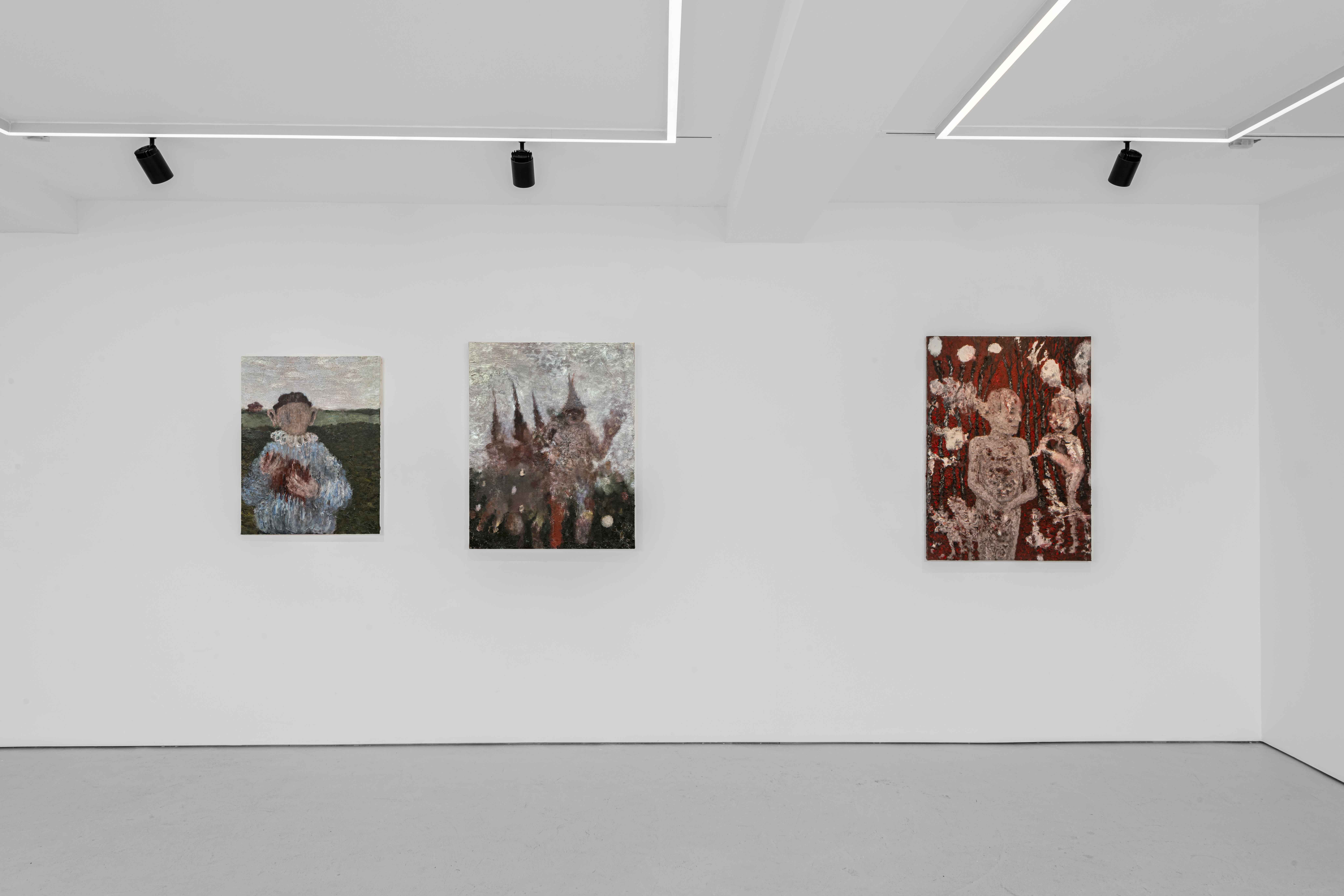
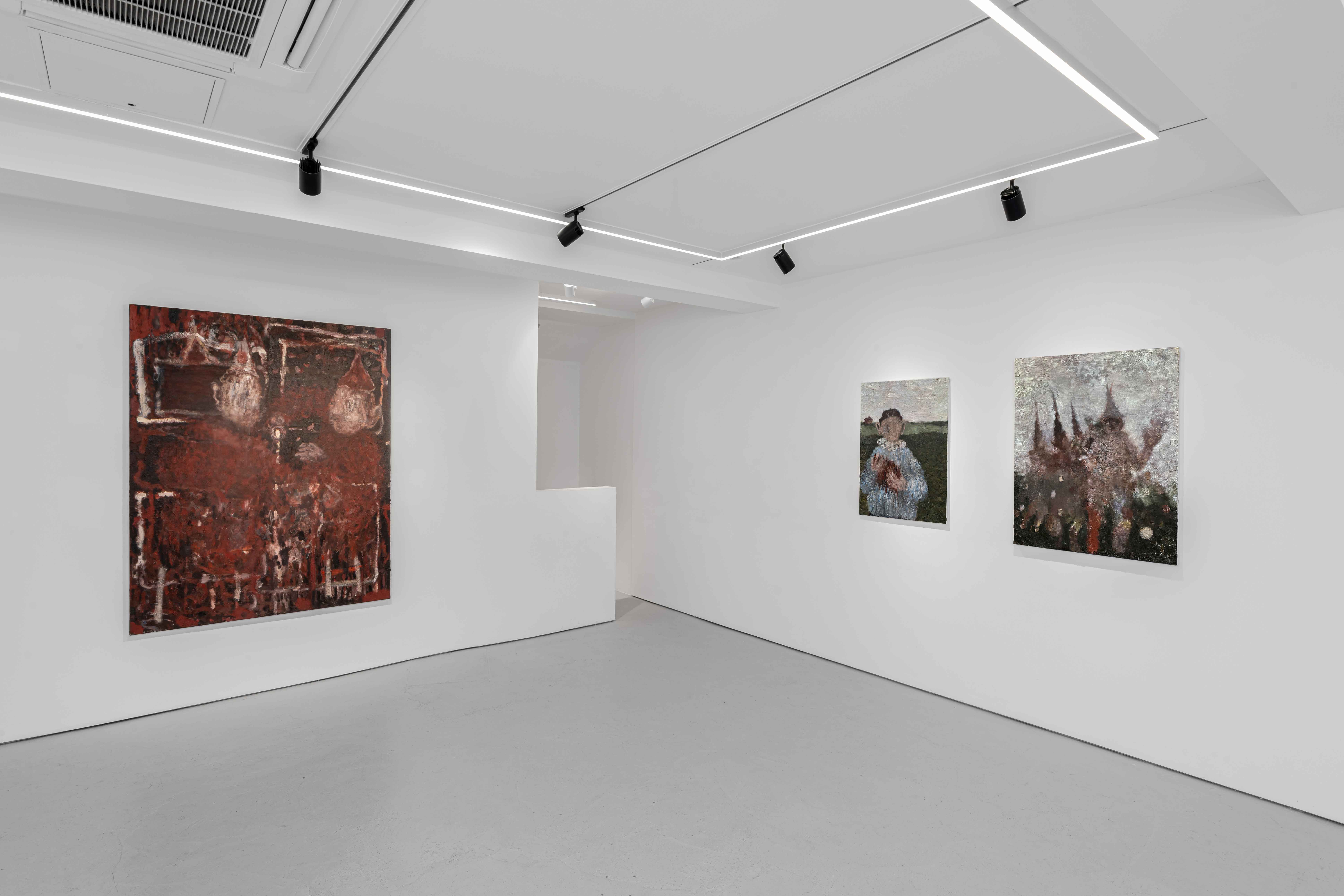
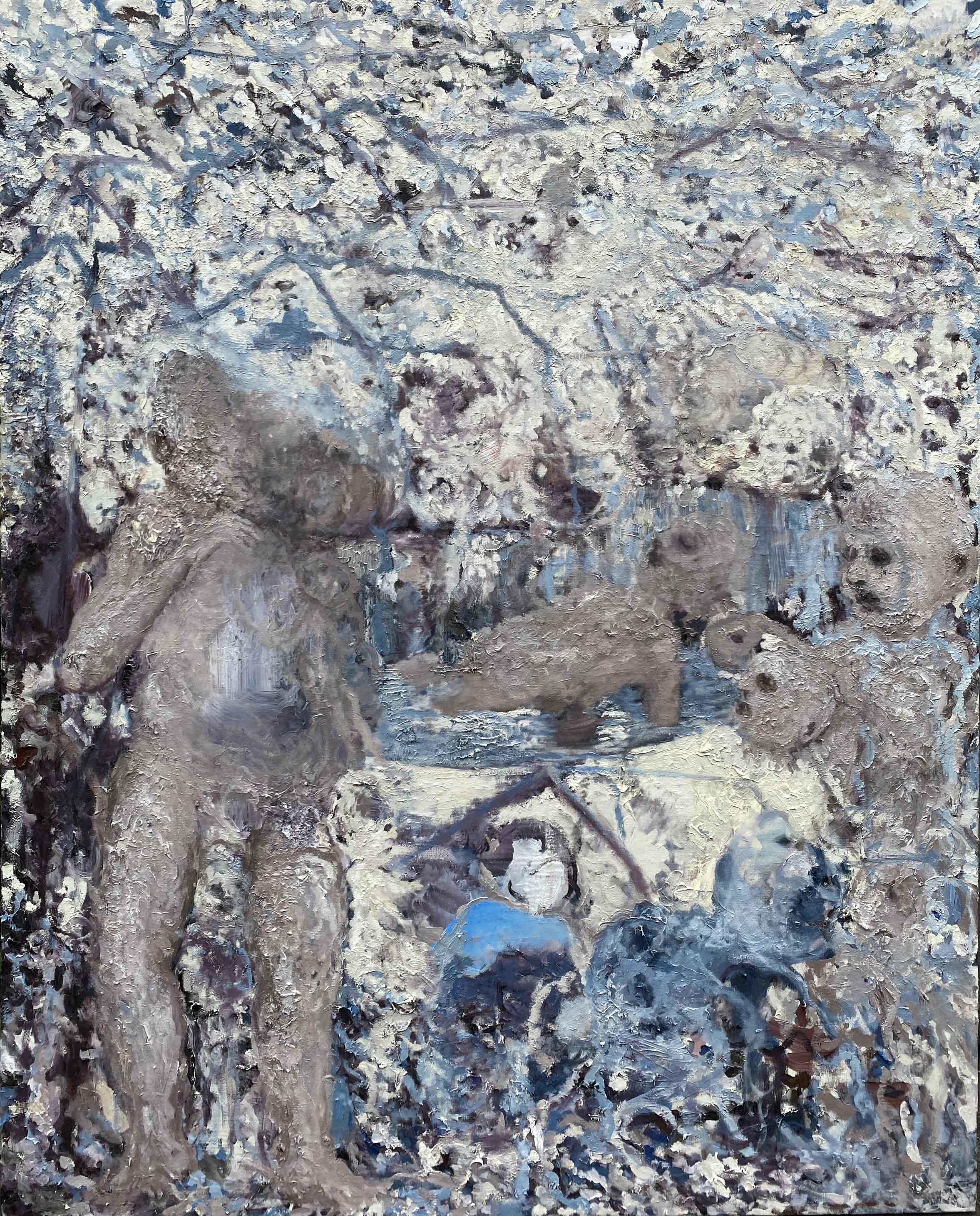
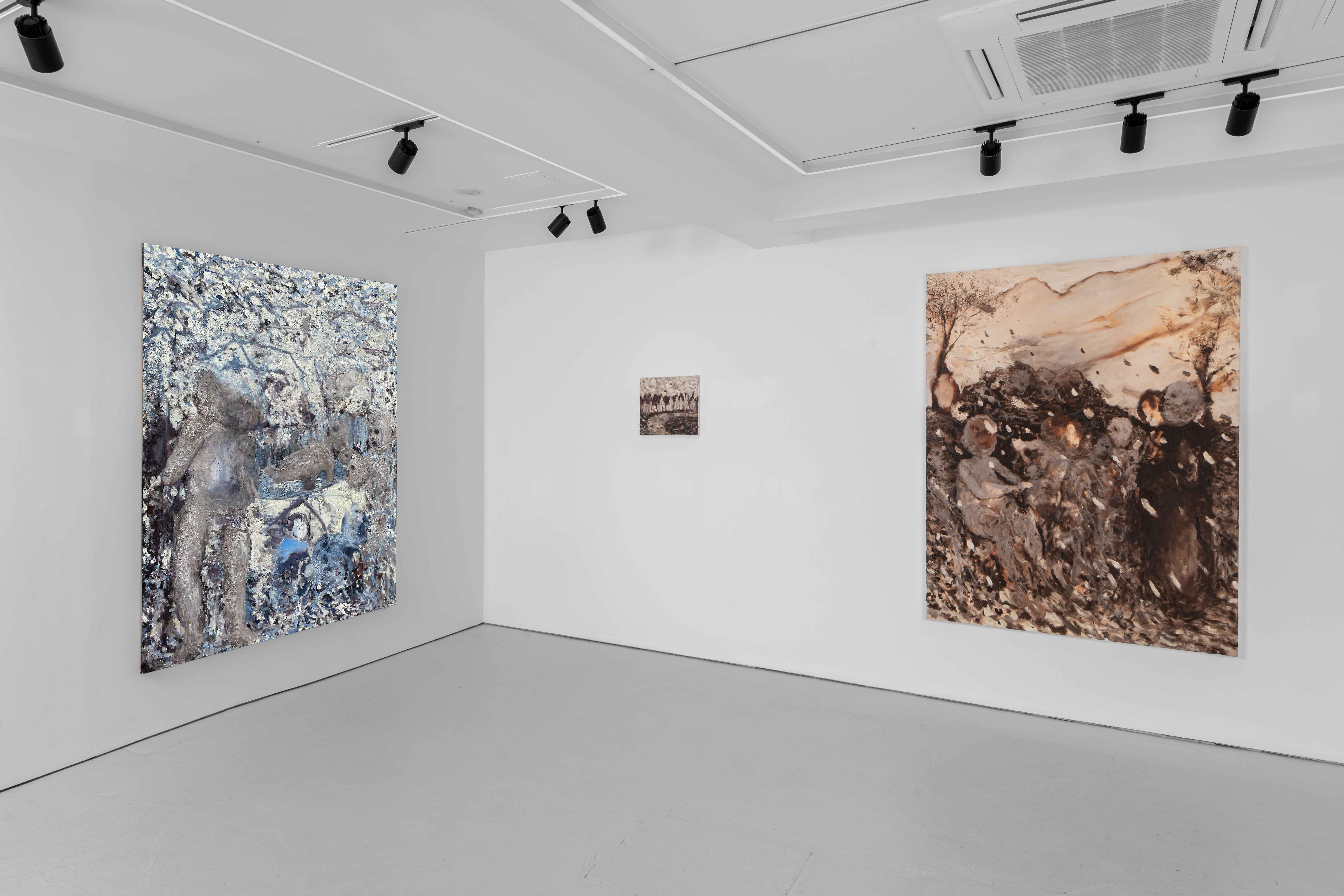
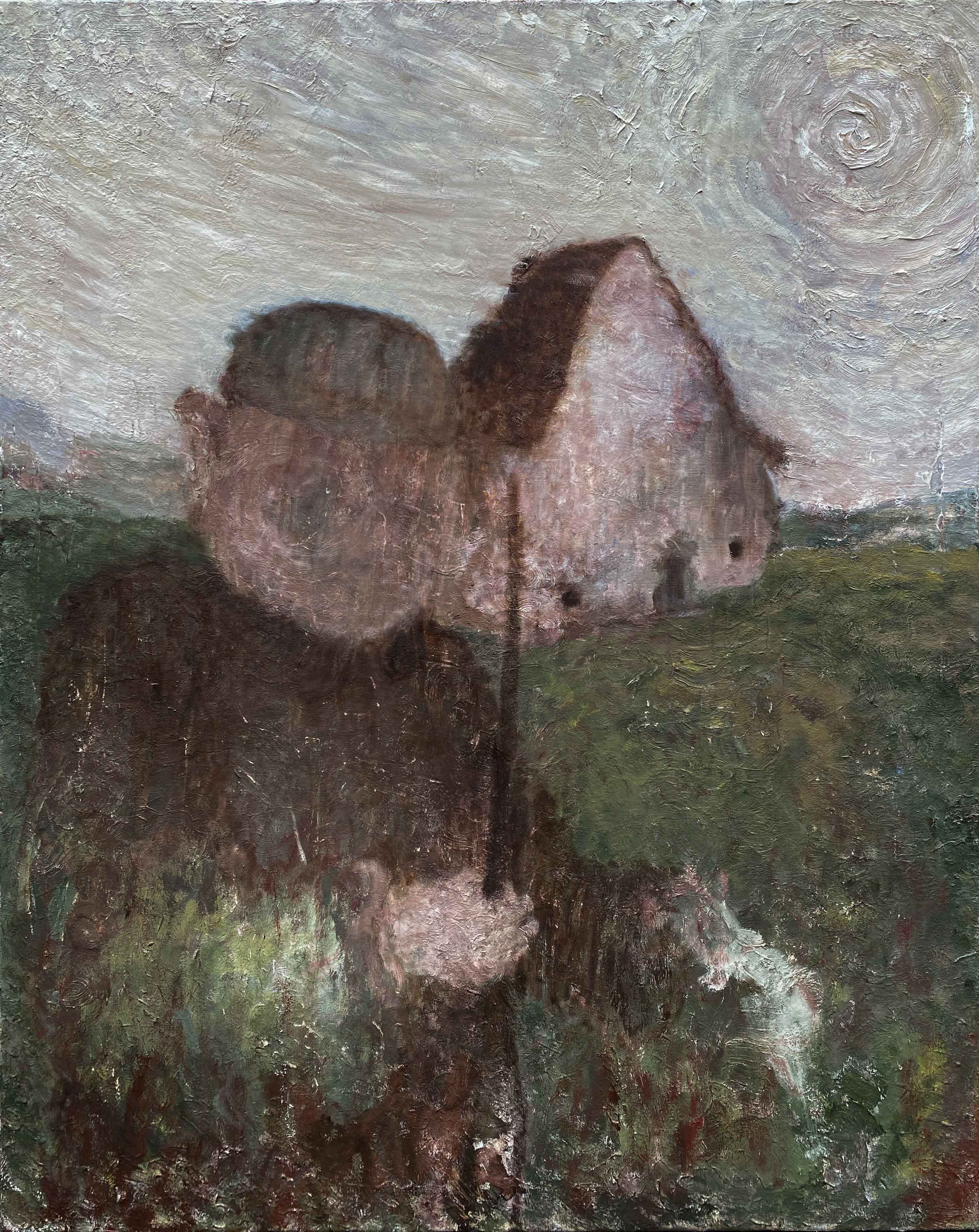
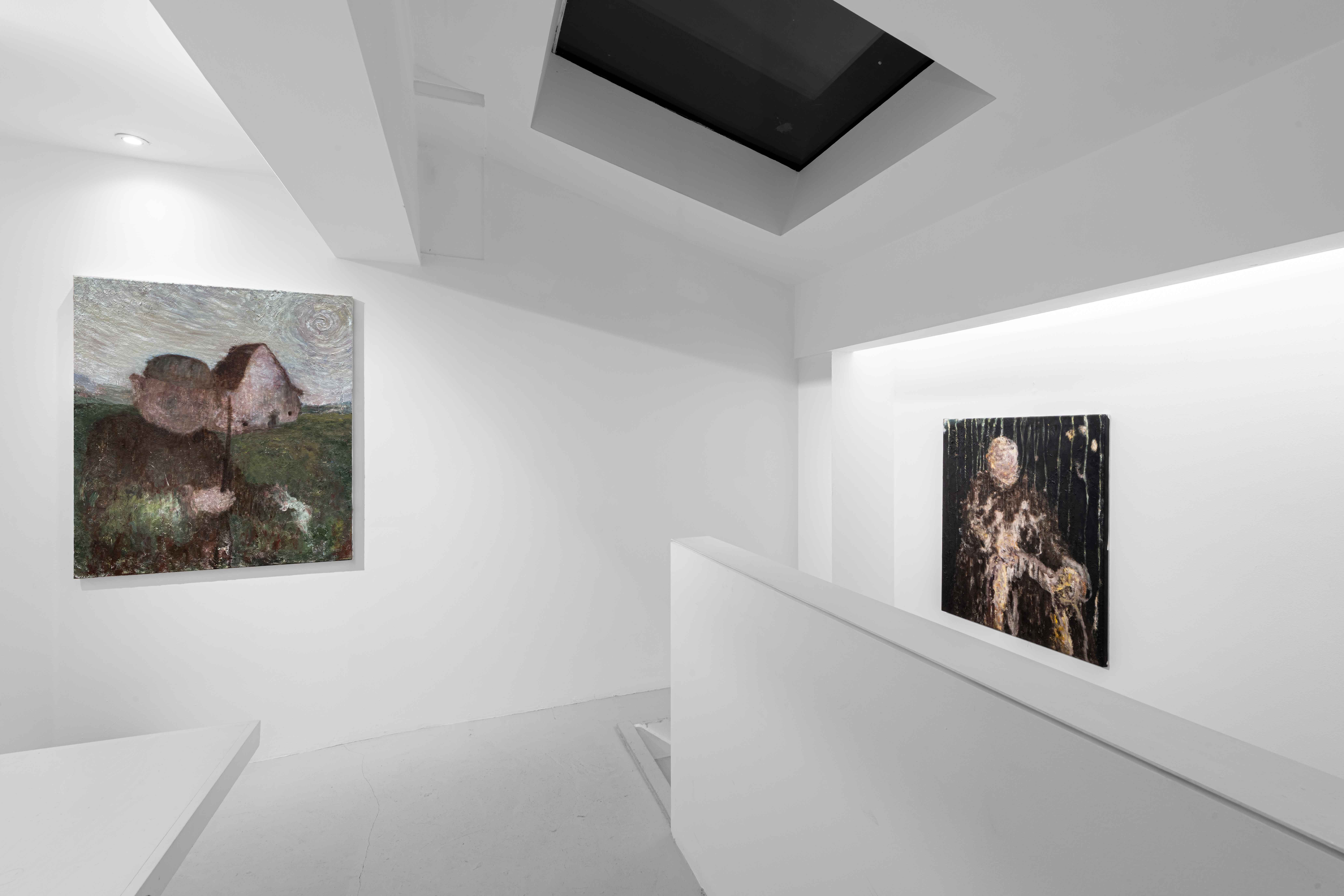
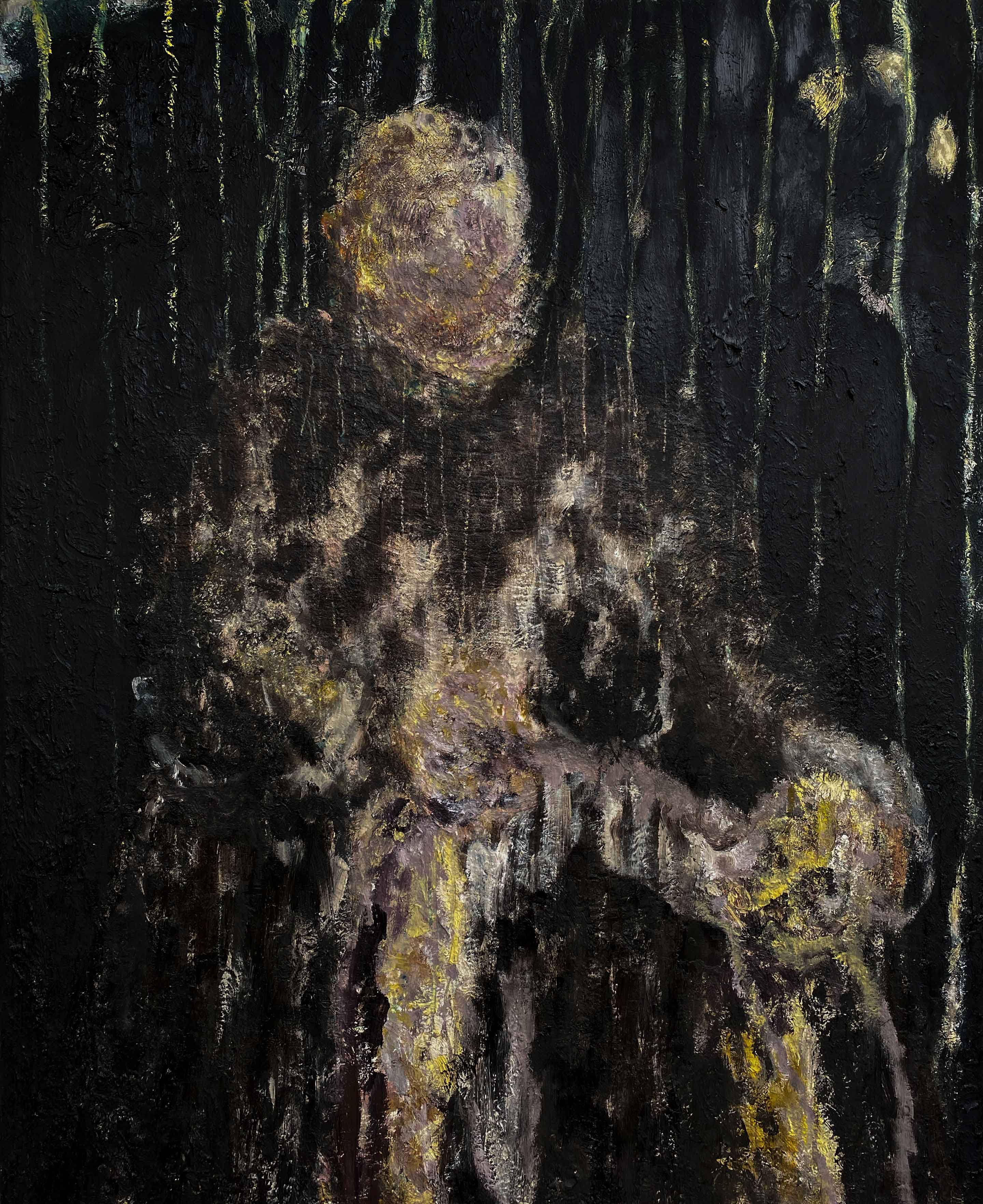
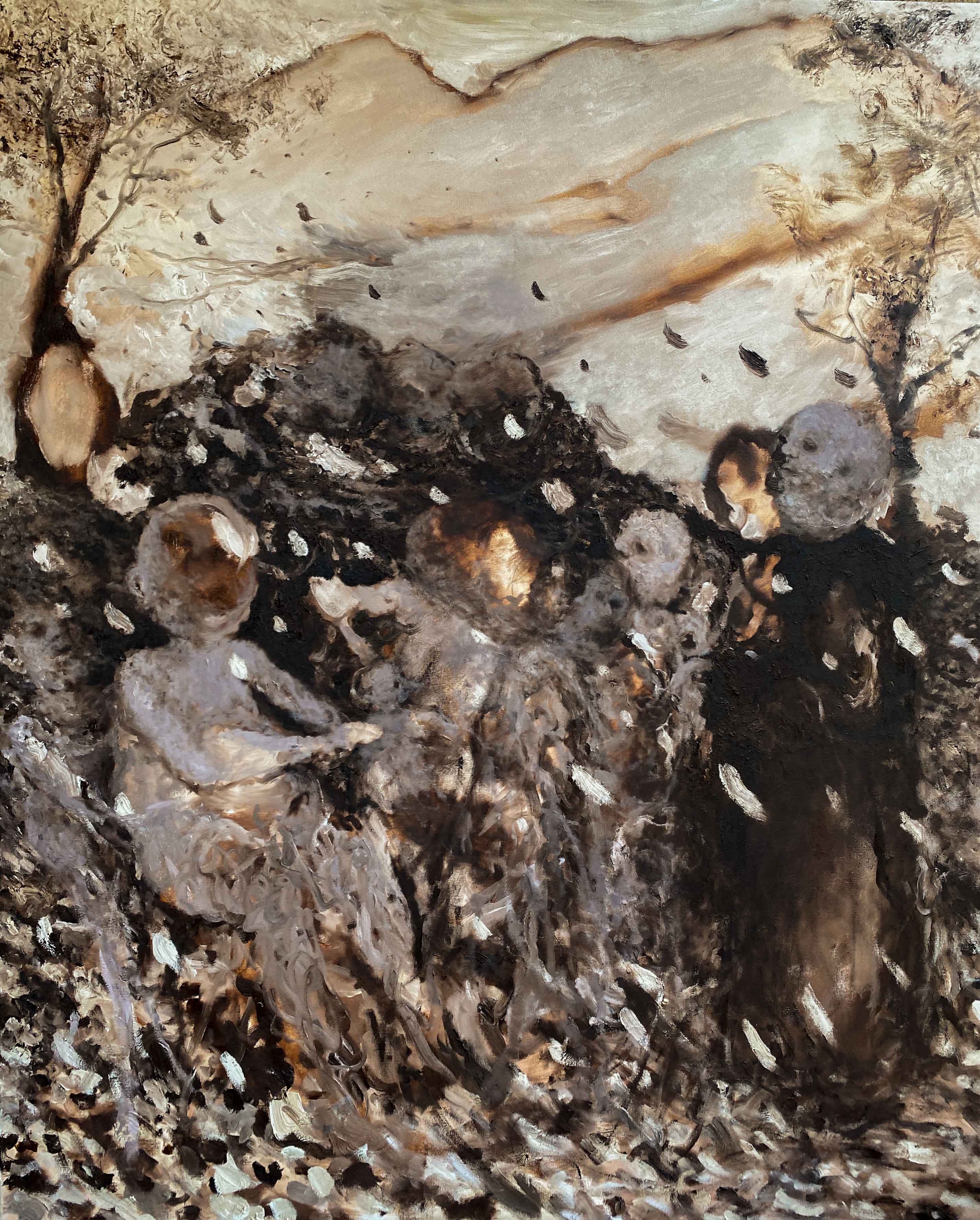
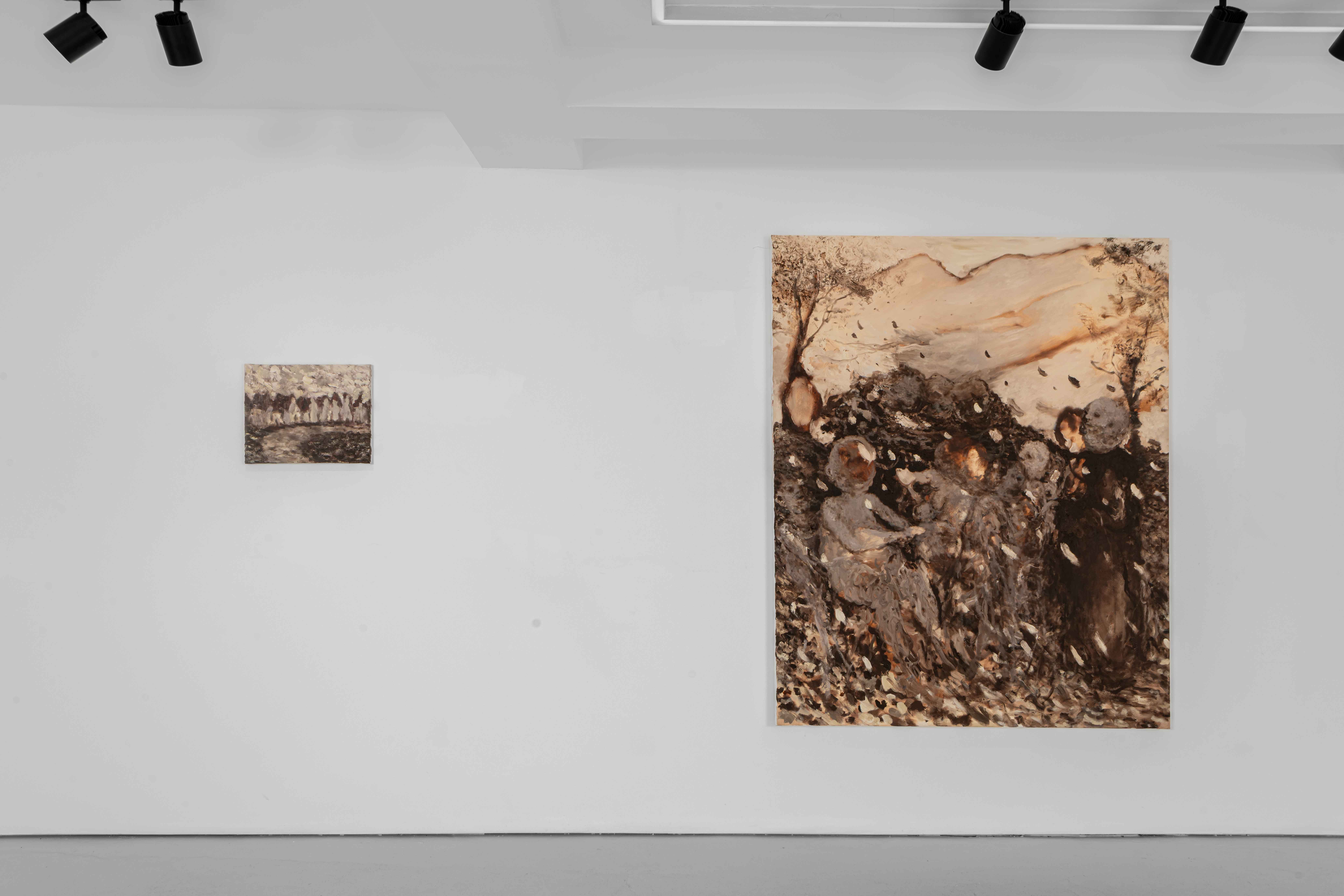
SETAREH is delighted to announce Amidst the Fog, the first solo exhibition in London by Berlin-based artist Johannes Seluga (b. 1998, Worms). His paintings occupy a space that belongs to a slightly different temporality. Figures emerge like apparitions, surfacing from a depth that is at once personal, primordial, and collective. For Seluga, painting is a form of excavation: a slow, layered unearthing of forms that lie dormant within him, awaiting the winter months in which he isolates and allows the unconscious to rise with greater clarity.
What defines Seluga’s practice is the way he paints toward the figure rather than from it. Forms accrue, erode, and return through a process that feels as much psychological as it is material. He approaches the canvas without a plan or reference, letting each work develop its own internal logic, its own weather.
Oops! Something went wrong while submitting the form. Please try again.
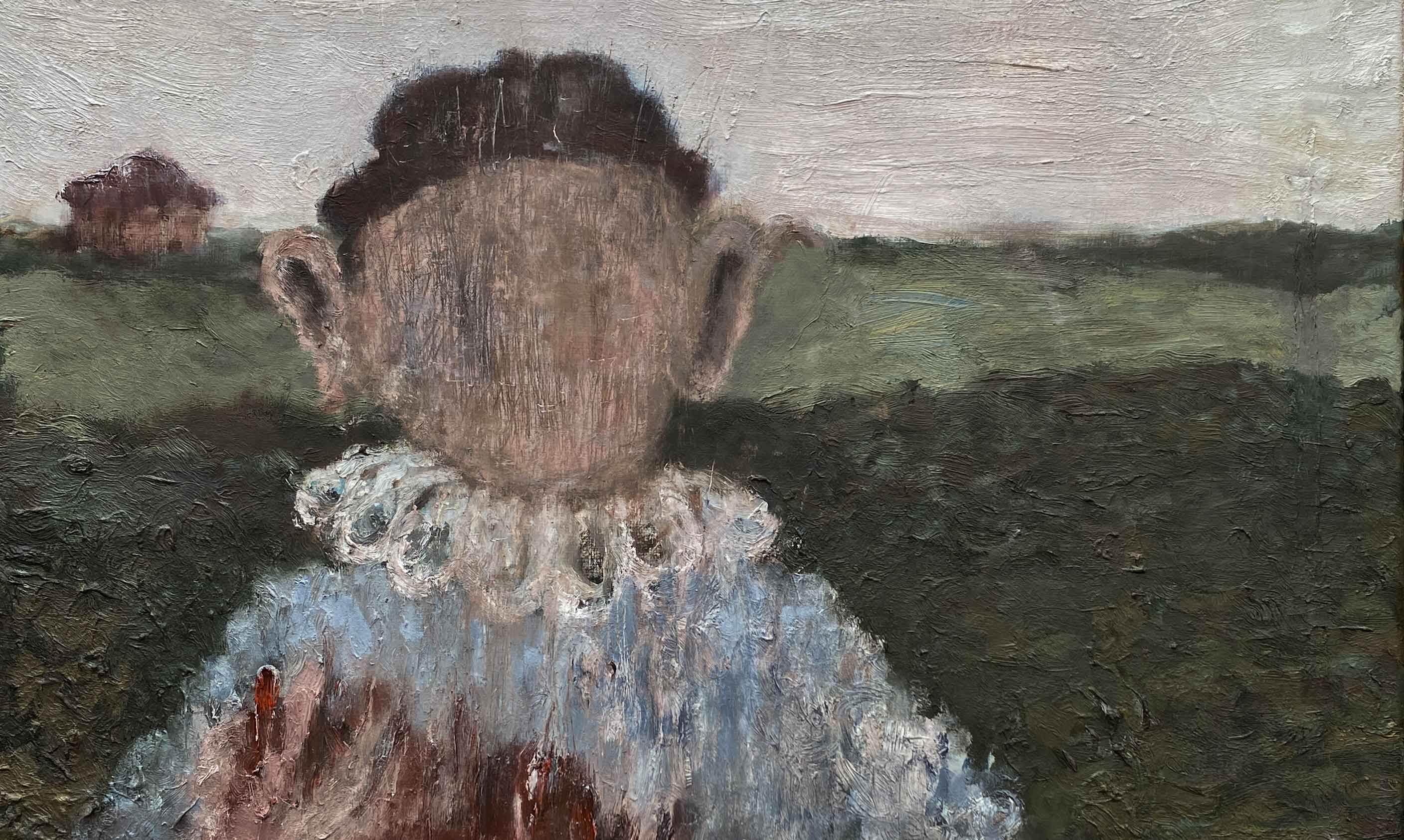
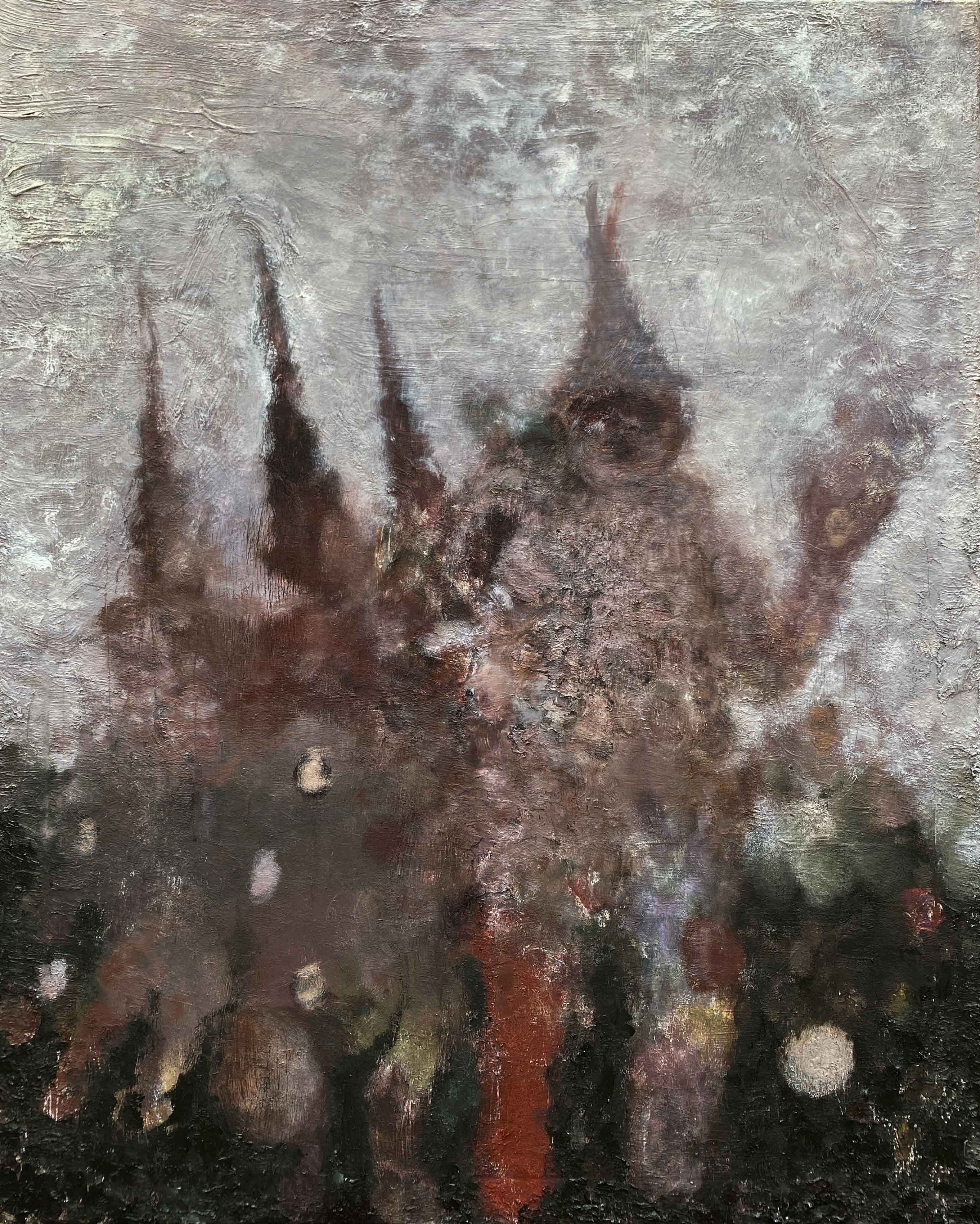
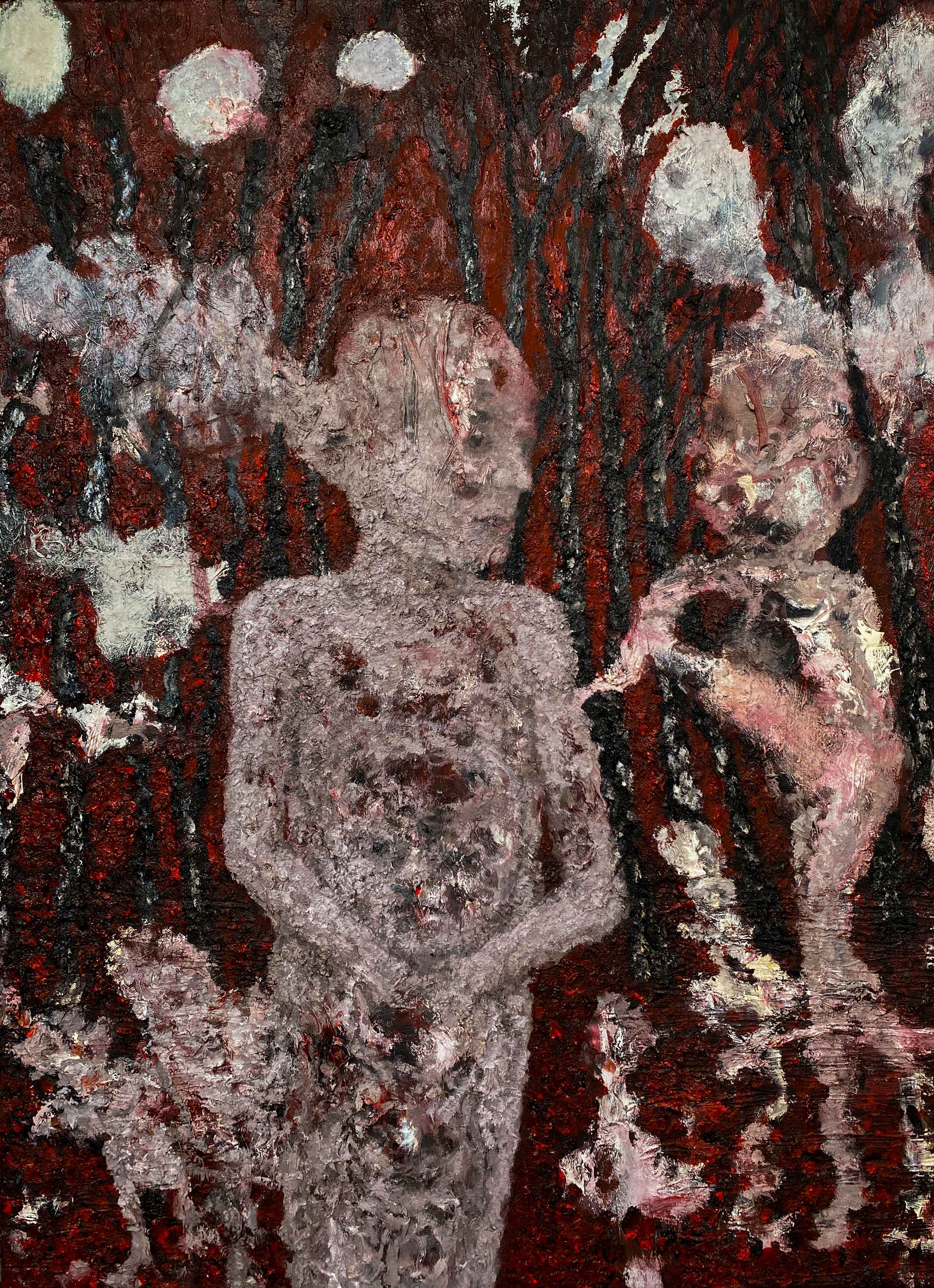
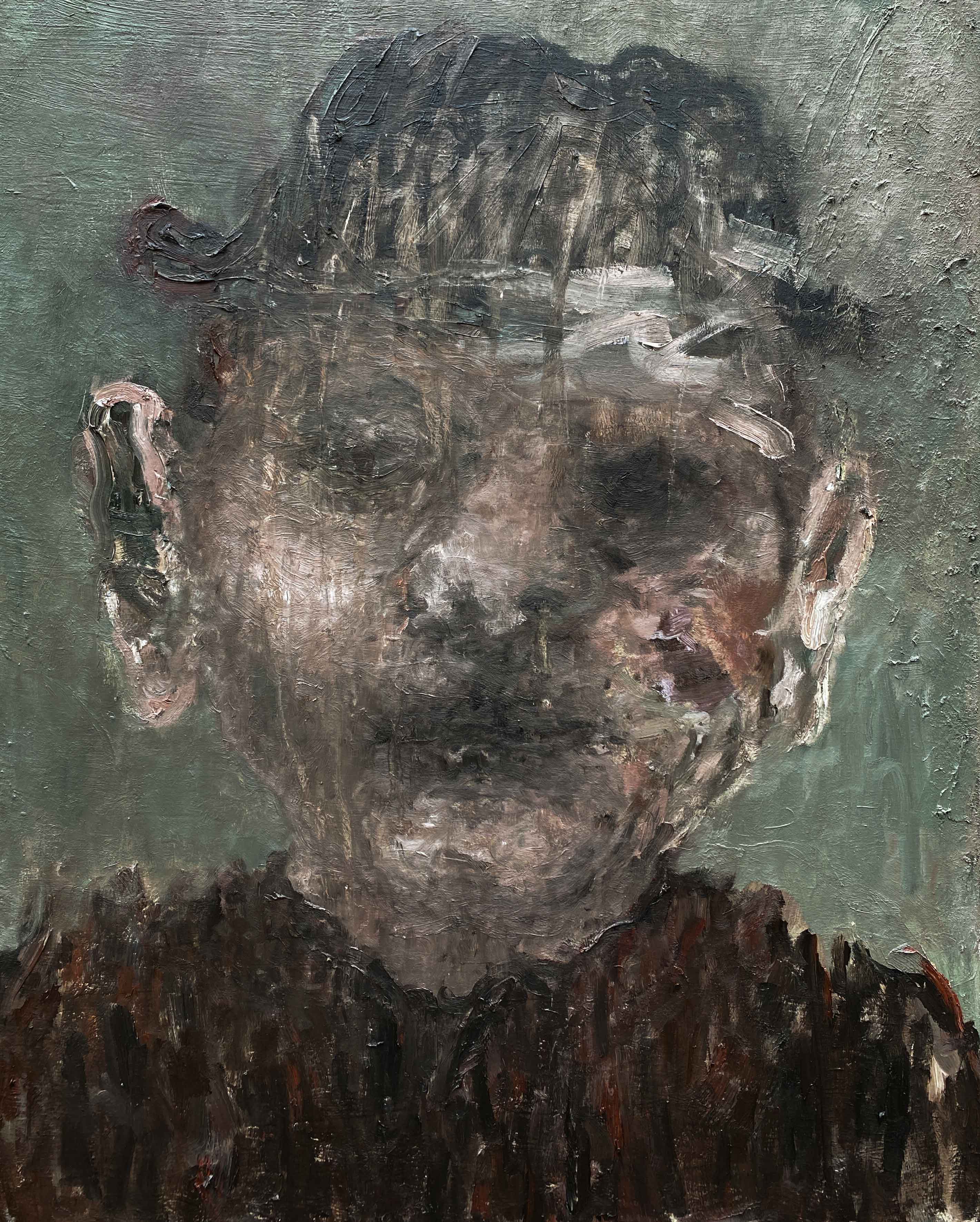
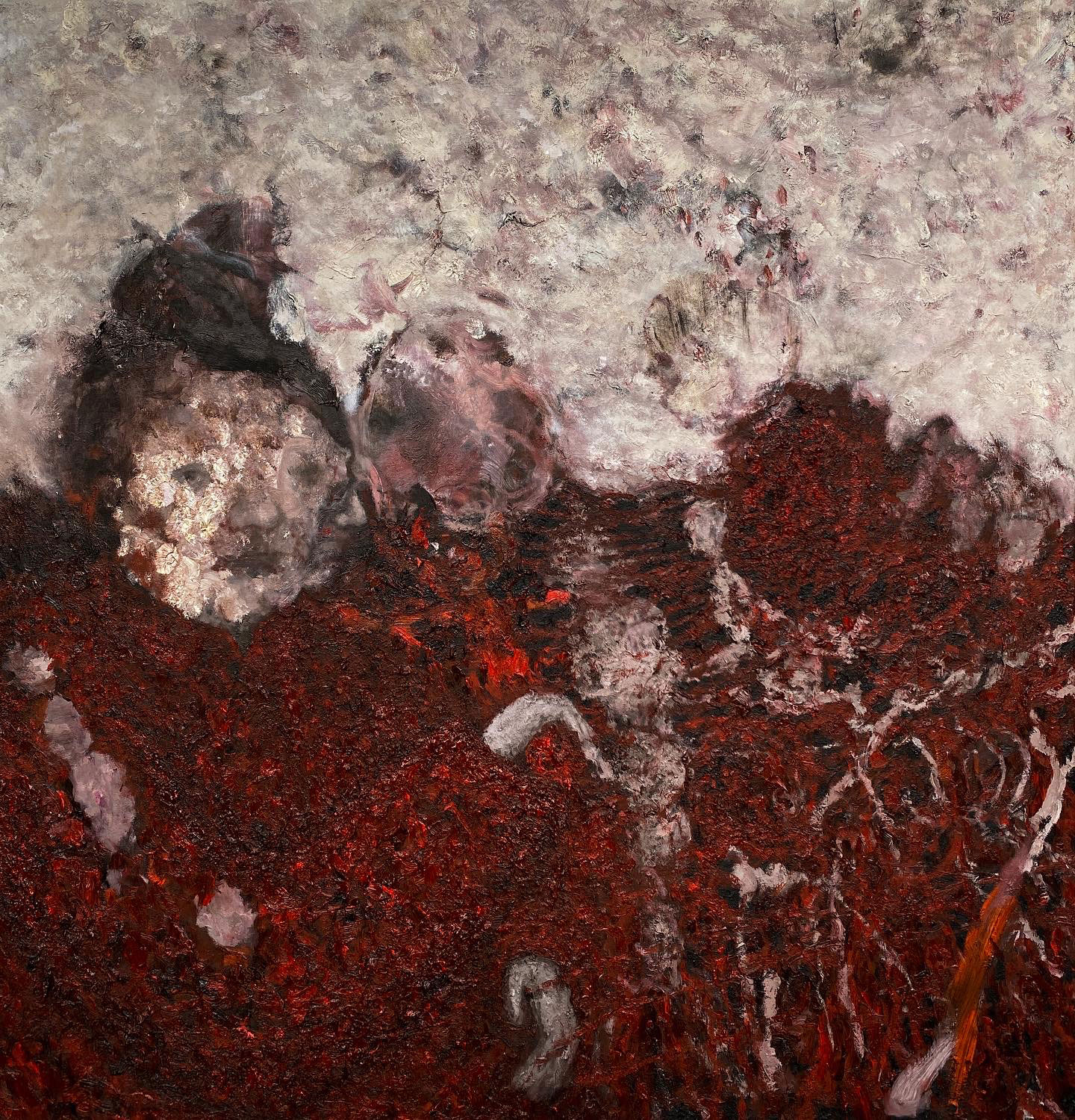
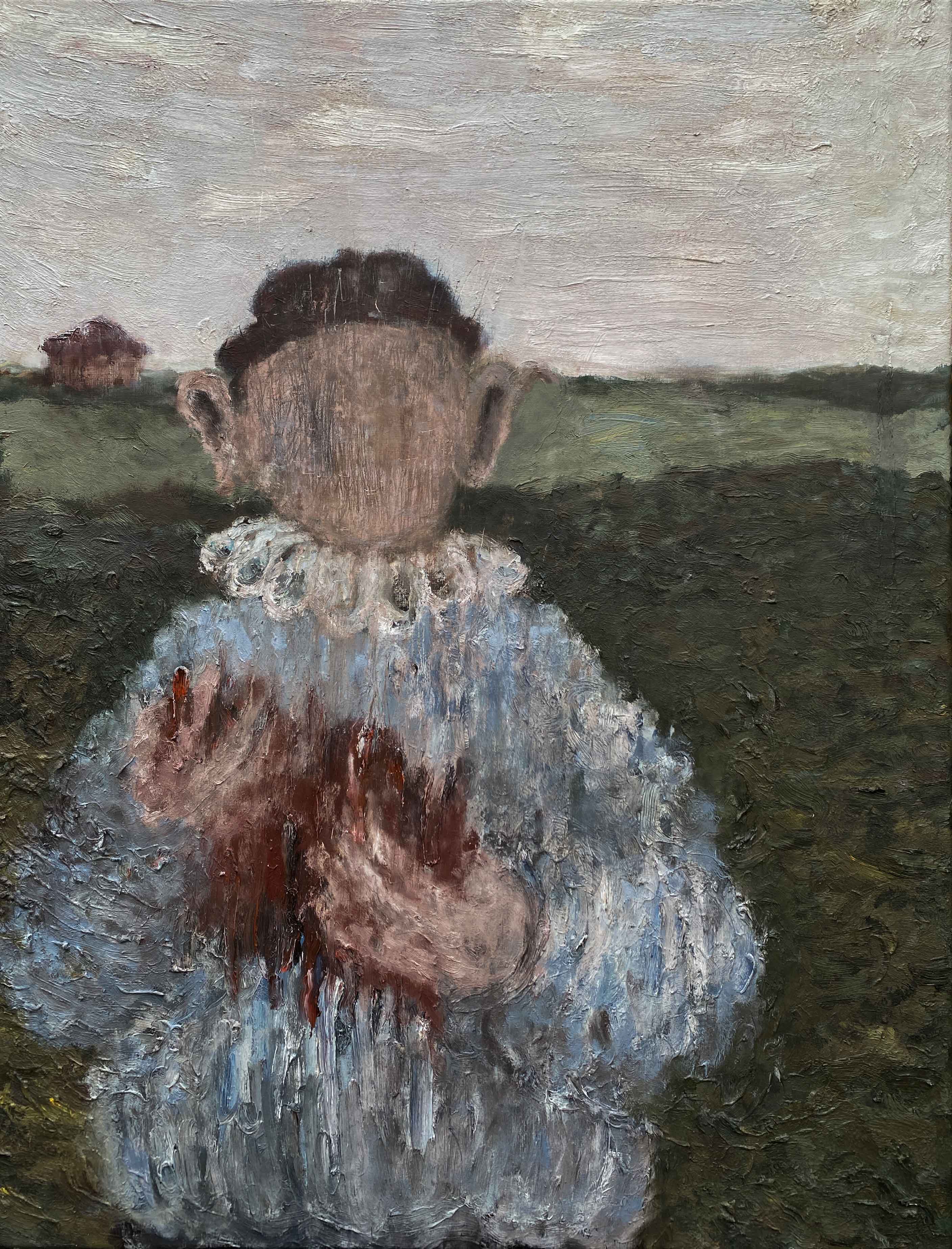
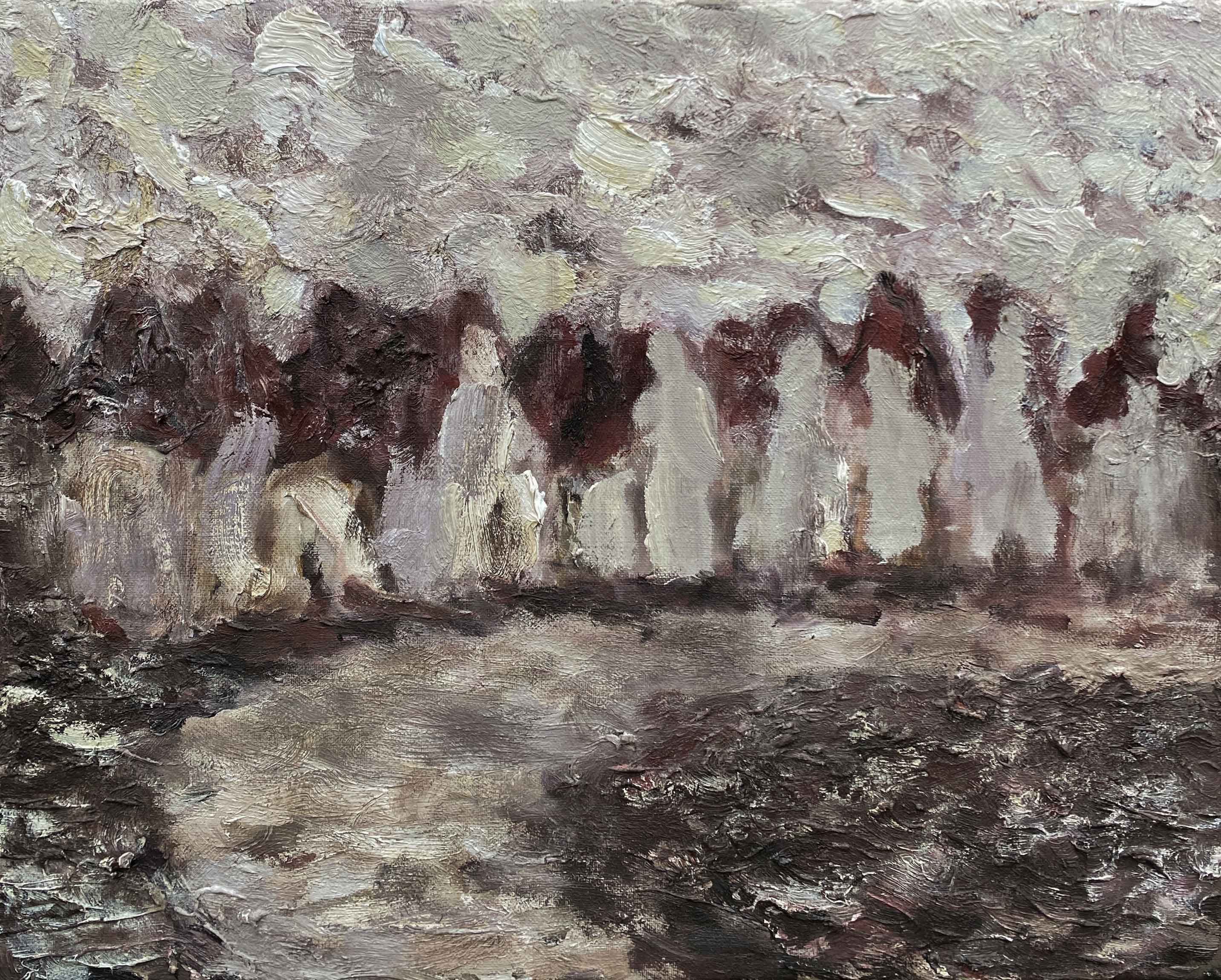
From this layered working, the figures surface. They feel like travellers from an ambiguous time, always on the threshold of entering or leaving the world. Faces appear and recede, caught between clarity and erasure; identities dissolve into roles or archetypal residues. Even his titles—Der Schüler, Der Tierbändiger, Jäger und Gejagter—speak of the human as mask, myth, or function. In Jung’s sense of the persona as the mask through which the self negotiates the world, these figures read less as subjects than as distilled positions; roles that expose the psychic scaffolding beneath identity. Moreover, for Seluga, these beings often act as guiding spirits, primordial presences that have accompanied him since childhood, figures that contemporary life teaches us to disregard. They are not portraits but thresholds: points where the visible meets the unconscious, where internal life briefly gathers into form, crystallisations of a deeper, collective memory.
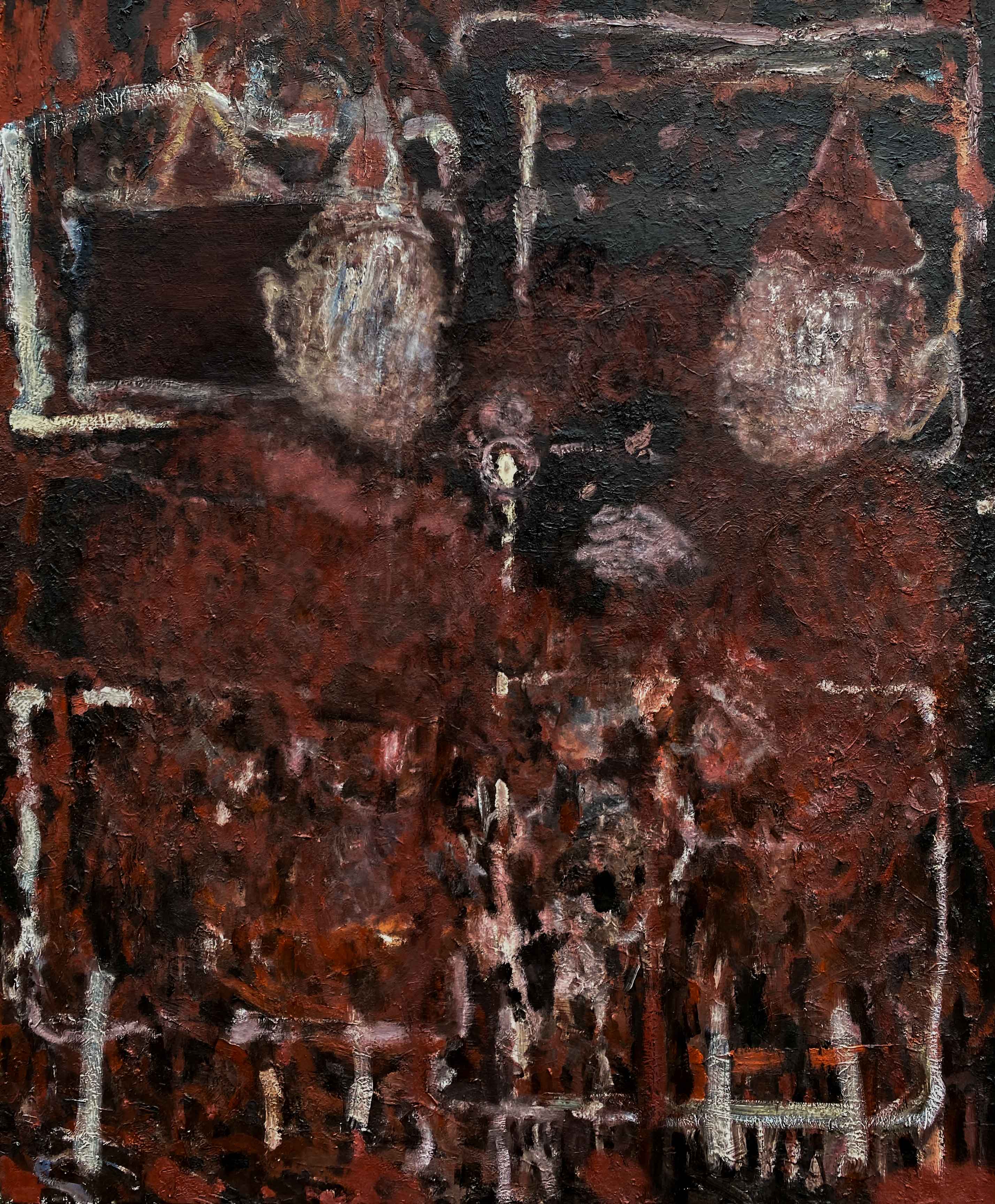
Johannes Seluga Wir Narren 2024 Oil on linen 175 × 140 cm | 69 × 55 in
Oops! Something went wrong while submitting the form. Please try again.
Seluga’s technical vocabulary mirrors this instability. He works with a great variety of techniques; combinations he likens to the permutations of a lock. Through this patient process of recombination, the possibilities for the image remain open, shifting, unresolved. His practice sits within a lineage that touches the atmospheric gravitas of German Romanticism, and the primordial figuration of Dubuffet, yet he folds these influences into a vocabulary unmistakably his own.
Johannes Seluga Der Schüler 2024 Oil on linen 85 × 66 cm | 33 1/2 × 26 in
Oops! Something went wrong while submitting the form. Please try again.
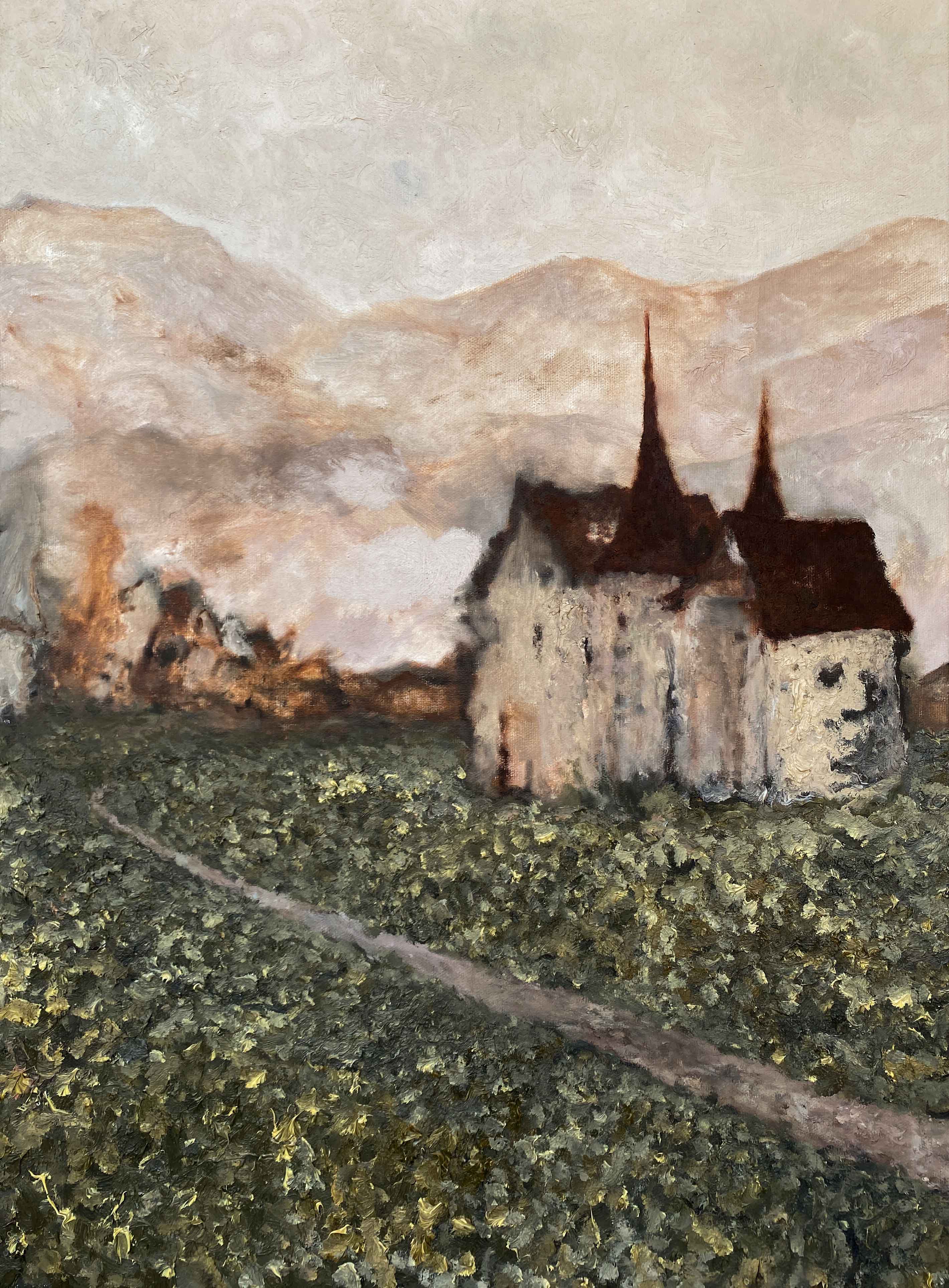
Much of the work unfolds in winter, during long stretches of self-imposed solitude. In a distinctly Romantic spirit, he withdraws not into wilderness but into the studio, treating solitude itself as the last untamed space left to modern life. It is there that he follows the conviction that interiority is a terrain as vast and unruly as any landscape. The season leaves its trace on the canvases: a muted luminosity, an inward pull, a sense of time thickening rather than moving forward. Faces seem carved from fog or soil, holding a muted glow and a silence shaped by winter’s opacity, a quiet resistance that reveals while remaining partly withheld. Here, humans and landscape are inseparable; the figures do not stand before the world but are absorbed into it, emerging from mist, dusk, or earth as if shaped by the same elemental forces.
Johannes Seluga Der Tierbändiger 2023 Oil and pastel on linen 105 × 85 cm | 41 1/3 × 33 1/2 in
Oops! Something went wrong while submitting the form. Please try again.
What Seluga offers in Amidst the Fog is an entry point: a slower temporality, a deeper register of feeling, a space where myth and psyche fold into one another. His figures neither declare themselves nor withdraw entirely; they persist in the space between. Seluga invites us to meet them there, in a terrain where meaning must be felt rather than secured, and where interior life unfolds according to its own logic.